The Art of Elevation: How Watercolor Floral Corners Enhance Your Creative Projects
The pursuit of beauty in our creative endeavors is a timeless human impulse. Whether crafting a heartfelt invitation, designing a celebratory card, or composing a digital layout, we seek elements that convey emotion, elegance, and personality. In this digital age, where templates abound, there remains a special allure for designs that carry the whisper of the human hand—the subtle texture, the gentle gradient, the organic flow of artist-guided color. This is where the world of hand-painted watercolor floral corners enters, not merely as decorative assets, but as transformative tools for storytellers and creators.
What Are Watercolor Floral Corners?
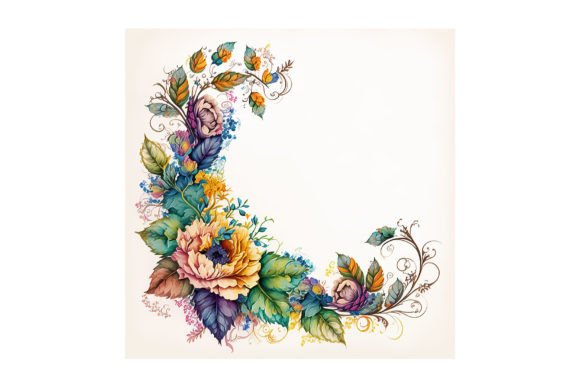
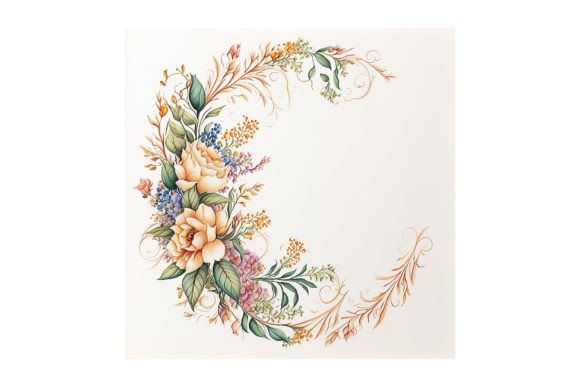
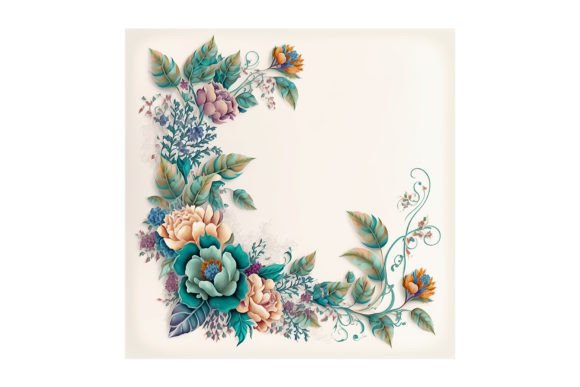
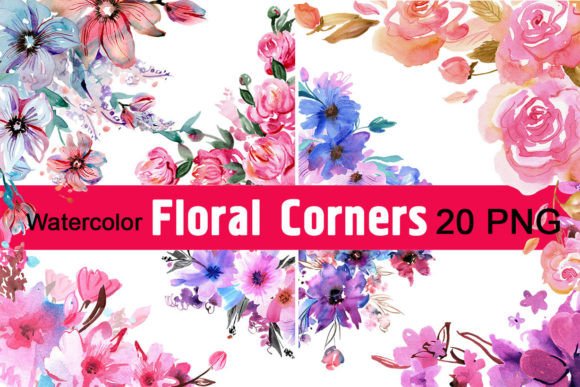
Imagine the delicate stroke of a brush on paper, the blending of pigments to create a soft petal or a trailing leaf. Watercolor floral corners are digital graphic elements born from this traditional painting process. An artist physically paints a floral motif—often clusters of blossoms, vines, or leafy sprigs—designed to grace the corners of a page or a design space. These paintings are then scanned or digitally captured at high resolution, resulting in files like PNGs with transparent backgrounds. This transparency is key: it allows you to place the elegant corner piece over any background color or image in your project without a disruptive white box, letting the art blend seamlessly into your composition.
A typical offering, such as a set of 20 PNG files at 300 dpi in RGB color mode, provides immense versatility. The high 300 dpi resolution ensures crispness for both digital use and professional printing. The RGB color profile makes them ideal for screens and online projects, while still being perfectly usable for print. Each file is an individual element, giving you the freedom to use just one corner, all four, or any combination to frame your content.
The Significance of the "Hand-Painted" Quality
In a marketplace saturated with vector graphics and computer-generated patterns, the hand-painted nature of these corners holds particular significance. It introduces an element of authenticity and warmth. The slight irregularities in the brushwork, the unique blending of colors, and the organic composition cannot be perfectly replicated by an algorithm. This quality directly communicates care, artistry, and a personal touch. When you use such an element on a wedding invitation, for instance, it subtly suggests that the event itself is curated with similar care and personal attention. It moves the design from generic to bespoke, even if you are not the original painter.
The Practical Relevance: Where and How to Use Them
The application of watercolor floral corners extends far beyond the initial thought of stationery. Their purpose is to frame, highlight, and embellish, making them incredibly practical for a wide range of creative projects.
- Invitations and Cards: This is their classic domain. Weddings, birthdays, anniversaries, baby showers—any life event worthy of celebration benefits from the elegant framing these corners provide. They can transform a simple text announcement into a keepsake.
- Digital Media and Web Design: Blog graphics, social media post borders, email newsletter headers, and even website element accents can utilize these corners. They soften digital interfaces and add a touch of organic beauty to the pixel grid.
- Branding and Packaging: Small businesses, especially in niches like artisan goods, boutique cosmetics, or specialty foods, can use these corners on labels, packaging inserts, or promotional materials to reinforce a brand identity centered on natural, crafted quality.
- Personal Arts and Crafts: For individuals engaged in hybrid crafts, these PNGs can be printed onto transfer paper for fabric, used in scrapbooking, or incorporated into handmade journals and photo albums.
- Educational and Presentation Materials: Even certificates, awards, or visually engaging classroom materials can employ gentle floral corners to add a celebratory or aesthetically pleasing border without overwhelming the core content.
Clarifying Common Assumptions
A few misunderstandings often arise around such digital art packs. First, the "Preview images are not included" note simply means the ZIP file contains only the usable PNG assets, not marketing images of the set displayed on a mockup. Second, while they are "hand-painted," their digital format does not limit you to analog outputs; they are fundamentally digital tools. Third, acquiring such a set does not require you to be a graphic designer; simple drag-and-drop into user-friendly software like Canva, basic word processors with image support, or photo editing apps is often sufficient.
Building a Broader Understanding: The Role in Modern Creativity
How do these specialized graphic elements fit into our contemporary creative landscape? They represent a beautiful synergy between traditional artistry and digital accessibility. The artist spends hours in the physical act of creation, a process rooted in centuries-old technique. That result is then democratized through the digital pack, allowing thousands of individuals—regardless of their own painting skill—to inject that level of artistry into their projects. This bridges a gap.
In modern life, where speed and efficiency often dominate, incorporating elements like watercolor floral corners is a conscious choice to slow down the visual experience, to add depth and texture. In work and business, they serve as a differentiator, helping small entities project a premium, attentive image. For education and daily activities, they remind us that beauty and form have a role alongside function and information.
The Technical Essentials: Why Format Details Matter
Understanding the provided specifications helps you use the elements effectively. The PNG format is chosen specifically for its support of transparency. The 300 dpi (dots per inch) is a print-ready resolution, ensuring no pixelation when printed on physical cardstock. The RGB color mode aligns with how screens produce color, making them vibrant for digital use. And the delivery in a ZIP format of individual files offers organized, manageable assets. This technical backbone guarantees that the artistic value is fully supported by practical utility.
Examples in Context: Seeing the Transformation
Let's visualize a few examples to understand the impact naturally.
- A plain, text-only digital birthday invitation feels functional but impersonal. Adding a soft watercolor floral corner with rose motifs to each corner of the digital graphic instantly creates a festive, celebratory frame. The design now speaks of "celebration" before the guest even reads the words.
- A small online boutique selling handmade ceramics uses a minimalist website. Adding a single, subtle watercolor corner of lavender sprigs to the corner of their "About Us" page header graphic introduces a hint of nature and craftsmanship that resonates perfectly with their product story.
- A teacher creating a "Certificate of Achievement" for students uses a formal template. By placing gentle, leafy watercolor corners at the top two corners, the certificate gains a touch of warmth and uniqueness, making it feel more special and less bureaucratic.
In each case, the corner element does not shout; it whispers. It enhances without overpowering. This is the hallmark of good decorative design: it serves the content.
Fostering Creativity and Emotional Connection
Ultimately, the use of watercolor floral corners is about fostering creativity and facilitating emotional connection. They are tools that empower anyone to elevate their visual communication. They carry within their pixels the DNA of artistic intent—the love (❤️) mentioned in their description. When you select a corner with peonies for a wedding, you're tapping into cultural associations of romance and prosperity. When you choose wildflowers for a birthday, you evoke a sense of free-spirited joy.
By starting from the ground up—understanding their origin as hand-painted art, their technical specifications for broad use, and their versatile applications across modern creative spheres—we see them not just as "files in a ZIP," but as bridges. They bridge the gap between high art and everyday creation, between digital efficiency and human touch, between sending a message and telling a story. In your next project, whether for business, celebration, or personal expression, consider how such a simple element, placed thoughtfully at the corners of your canvas, can frame not just your design, but the very feeling you wish to convey.