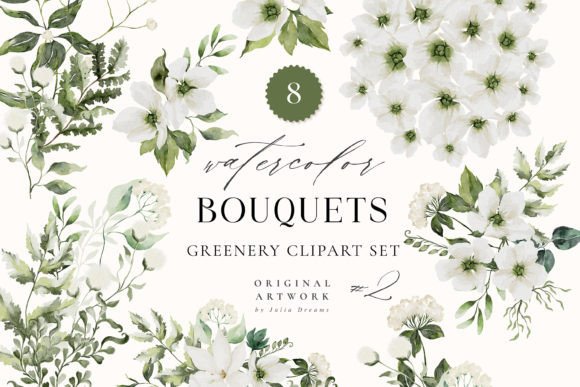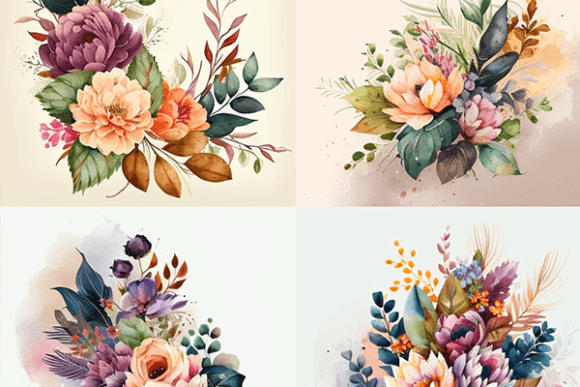
Floral Arrangement: More Than Just a Pretty Bouquet
The term Floral Arrangement might conjure an image of a vase filled with roses on a dining table, but its application stretches far beyond that. Fundamentally, it's the artful composition of flowers, foliage, and other botanical elements to create a designed piece. This practice blends color theory, texture, shape, and balance, whether you're working with fresh-cut blooms from a garden or, increasingly, with digital illustrations that capture that same essence. It's a skill—and a resource—that serves a surprising variety of needs in our daily lives and professional worlds.
Where Floral Design Comes into Play in Everyday Life
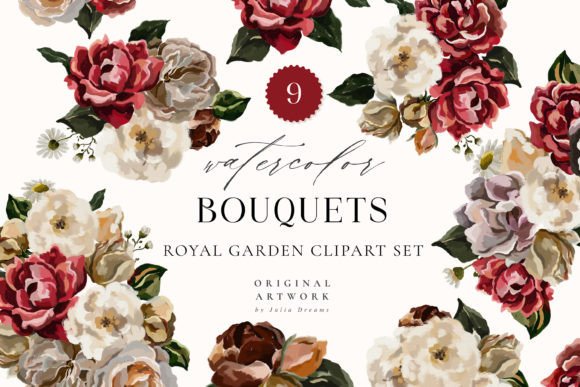
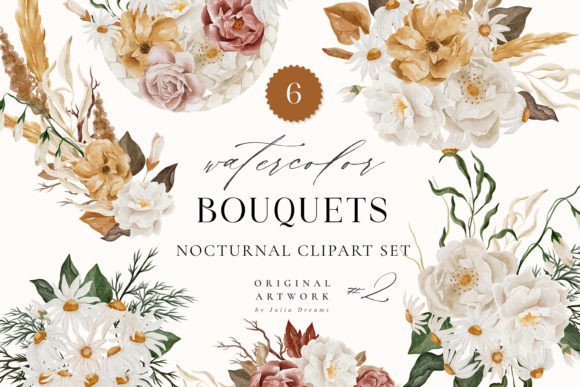
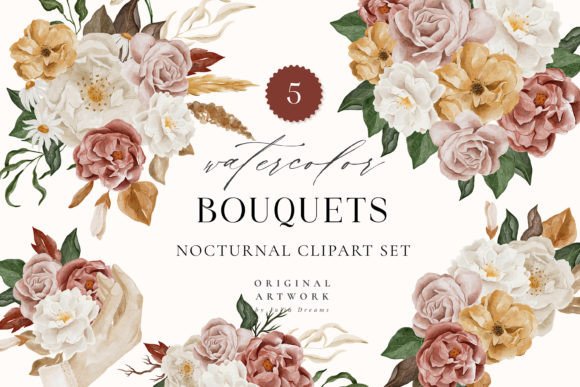
Think about the last time you wanted to express something without words. A thoughtfully arranged bouquet can convey sympathy, celebrate a promotion, or simply say "I'm thinking of you." But for many people, sourcing, selecting, and arranging fresh flowers for these moments feels daunting. This is where high-quality digital floral assets become a game-changer. Imagine you're creating a custom invitation for a baby shower. Instead of struggling with complex photography or expensive florist consultations, you can incorporate a beautiful, ready-to-use illustration of peonies and hydrangeas directly into your design template. The emotional impact is the same, but the process is far more accessible and controllable.
Bridging Personal Creativity and Professional Projects
For hobbyists and small business owners, floral arrangement isn't just about the physical object. The aesthetic influences everything from a blog's background imagery to the branding on a homemade candle label. A set of versatile floral illustrations allows a home baker to design a stunning logo for her cake business, or a lifestyle blogger to create consistent, nature-themed graphics across her posts. The key here is adaptability. Having a pack of illustrations in different color variations means one image can be tweaked to match spring-themed content or autumn-inspired product packaging without needing to find entirely new artwork.
The Unseen Role in Commercial Industries
Move beyond the personal, and you'll find floral arrangement principles deeply embedded in commercial sectors. Retail stores use floral motifs in window displays and in-store signage to create an inviting, fresh atmosphere. Wedding planners and event coordinators use floral sketches and illustrations to draft table centerpiece concepts for clients before any real flowers are ordered. Even in industries like hospitality, hotel websites and menus often feature floral graphics to evoke a sense of luxury and calm. In these contexts, using pre-made, high-resolution floral illustrations saves significant time and budget on initial design phases, allowing for rapid prototyping of visual ideas.
Considerations Before Choosing Your Floral Elements
Whether you're picking fresh flowers or selecting a digital illustration pack, some core questions apply. First, consider the emotional tone you need to set. Bright, vibrant sunflowers communicate cheer, while a subdued arrangement of lavender and eucalyptus suggests tranquility. Next, think about technical requirements. For digital work, resolution is critical. A 300 DPI PNG file ensures your floral arrangement illustration will look crisp when printed on a wedding program or a fabric label, not pixelated or blurry. Also, assess the style. A hand-painted, realistic illustration with visible brush strokes offers a classic, organic feel perfect for heritage brands or artisan products, whereas a more geometric, simplified floral design might suit a modern tech company's wellness app.
Navigating Strengths and Practical Limitations
The beauty of using digital floral arrangement resources, like a well-crafted illustration pack, is their immense flexibility and reusability. You can scale, recolor, and combine elements without limits. They're also permanent—they don't wilt! This makes them ideal for projects that require long-term branding consistency. However, a natural limitation is the lack of three-dimensional physicality. For a video project or a storefront that needs the sensory impact of real flowers, digital art is a supplement, not a replacement. The best approach is often a hybrid one: use detailed illustrations for all your printed and digital collateral to establish the theme, then bring in actual floral arrangements for the physical event space to create a fully immersive experience.
Ultimately, engaging with floral arrangement—in any form—is about harnessing nature's vocabulary for human expression. It’s a tool for decorators, a strategy for marketers, a comfort for friends, and a creative shortcut for designers. By understanding its wide applications and making informed choices about the resources you use, you can effectively translate that beauty into your world, whether it's on a screen, on paper, or on a table.